Refrozen!
2nd March 2026
After a bit of a cloudy start it cleared up during the day with some pleasant sunny spells during the afternoon. Last night the precipitation stopped before the freezing level dropped meaning that there was no new snow. The old snowpack has frozen and is hard, icy and stable. The greatest hazard today was slip or fall on the hard icy snowpack. I was wearing crampons for the entire time that I was on the snow. There is expected to be a light dusting of snow overnight before another fine day tomorrow. Other than a little fresh snow, little change is expected in the snowpack.
Some photos from today below, and below that my attempt to answer an interesting question about salt on snow that was asked as a comment on a previous blog post.
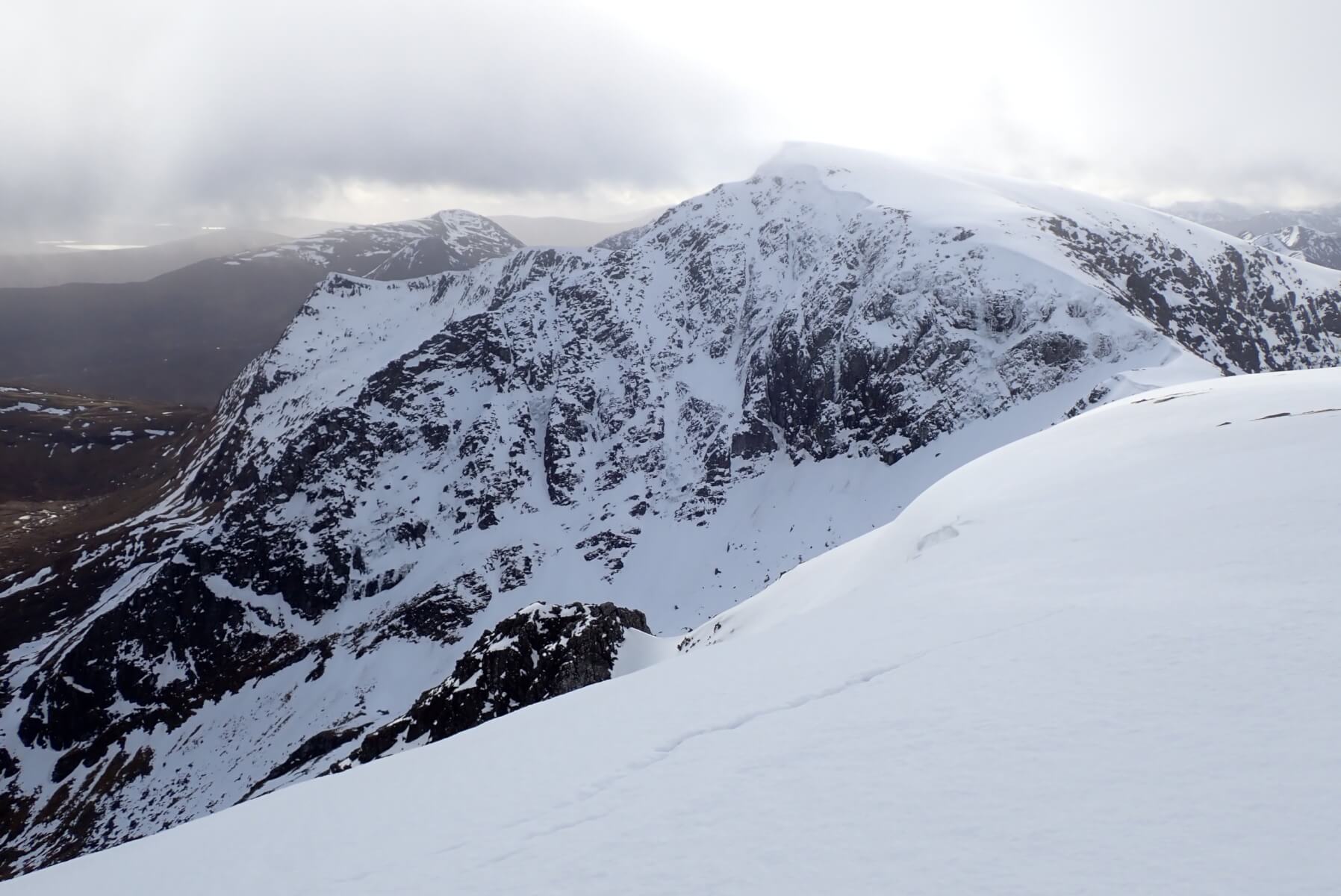
Looking South to Aonach Beag
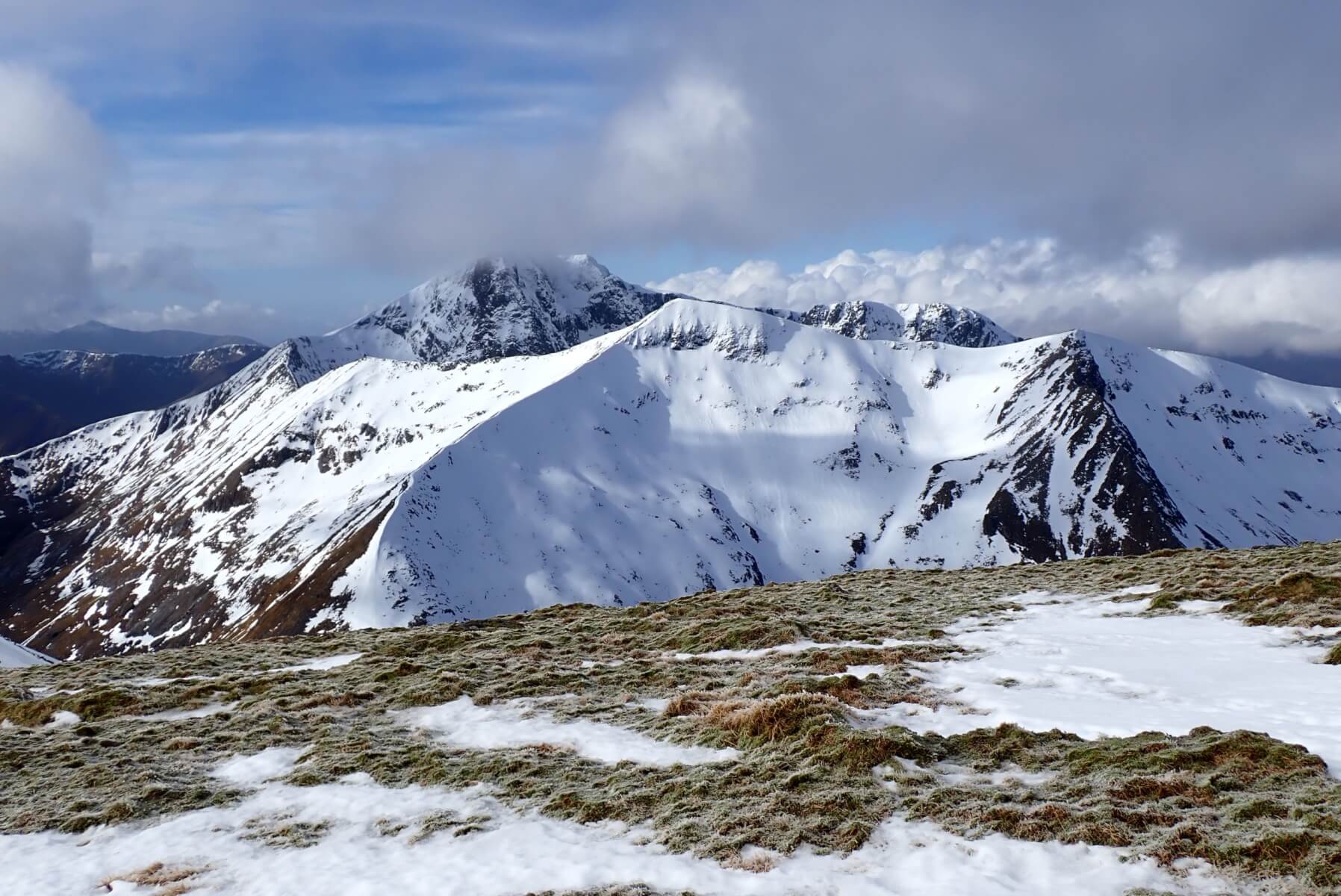
Carn Mor Dearg and Ben Nevis behind as the cloud cleared.
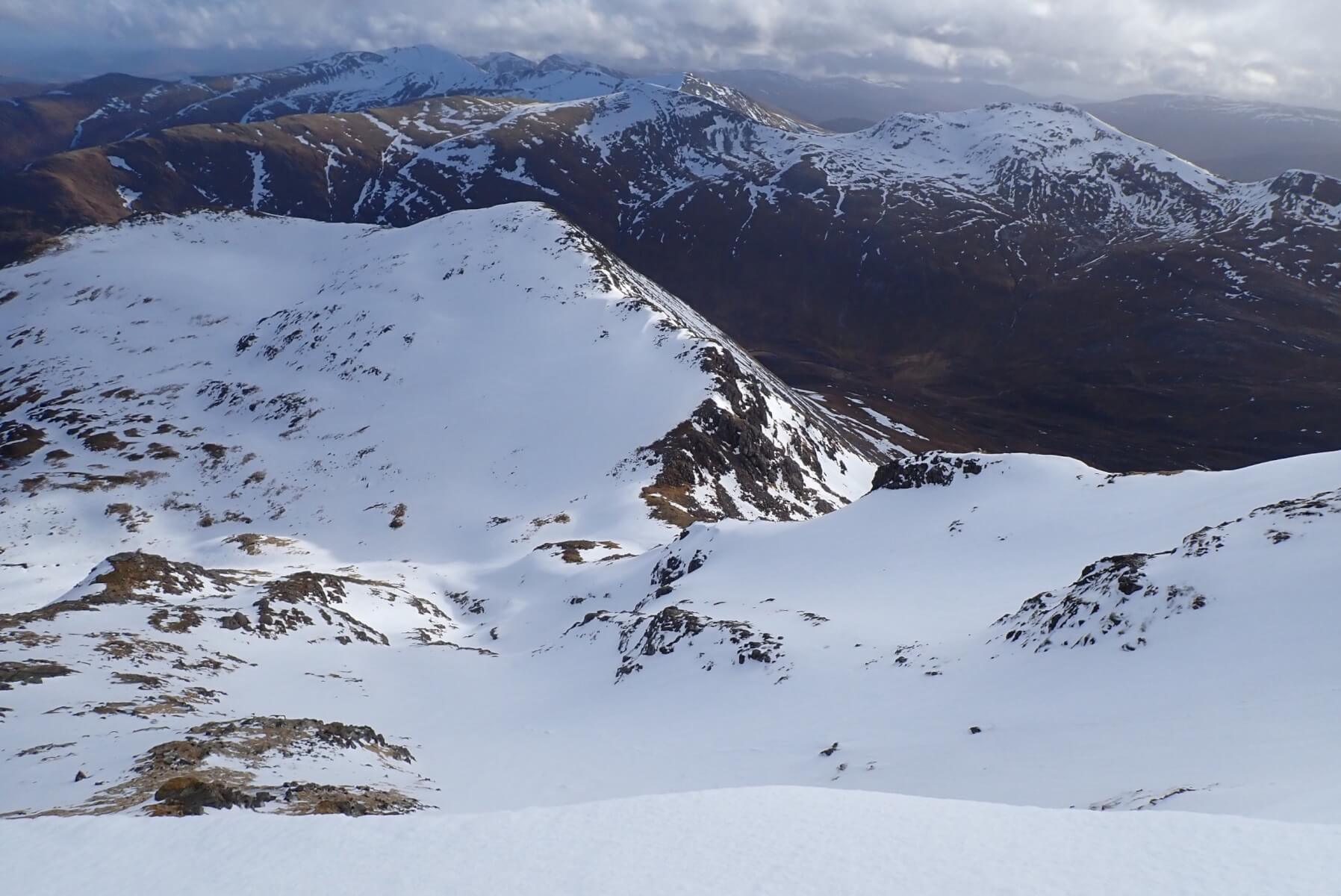
The view down summit gully which remains quite well filled in. Stob a Cul Choire and the Grey Coires behind.
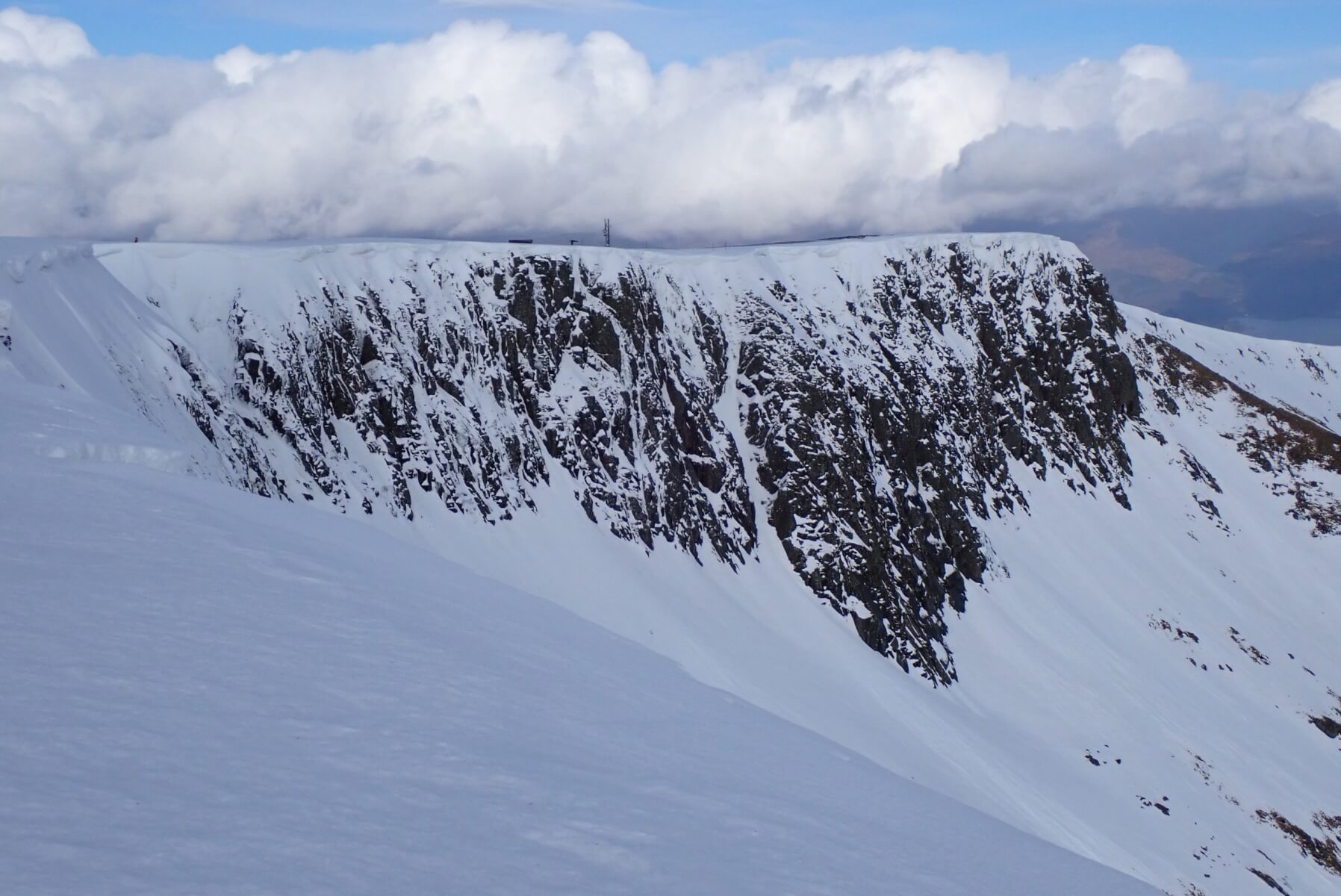
The North side of Coire an Lochan.
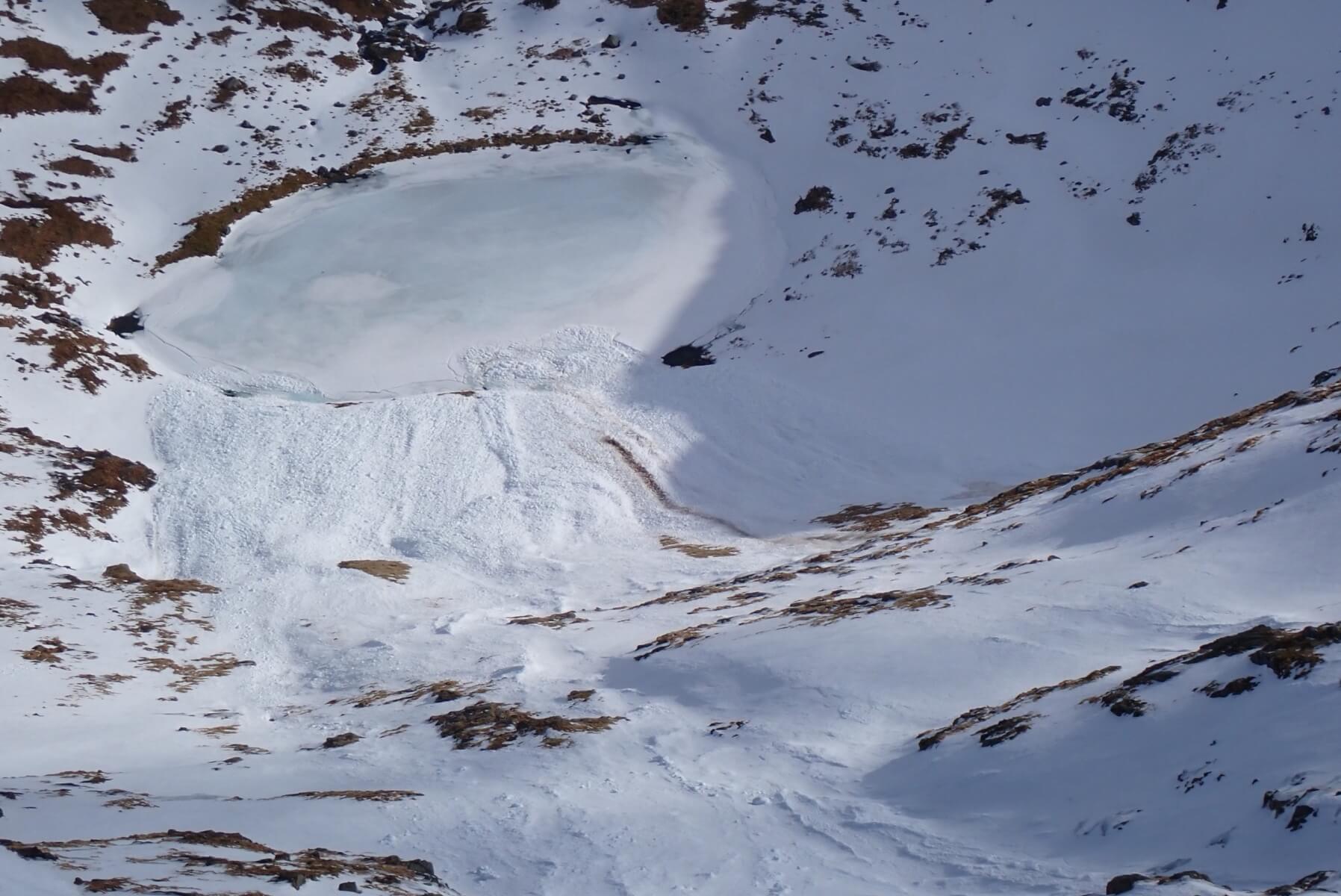
Debris from a large avalanche a few days ago which has reached the Loch of Coire an Lochan. A good few years since we have seen an avalanche this large on Aonach Mor. Not sure exactly which day this would have released, but suspect it was sometime early last week.
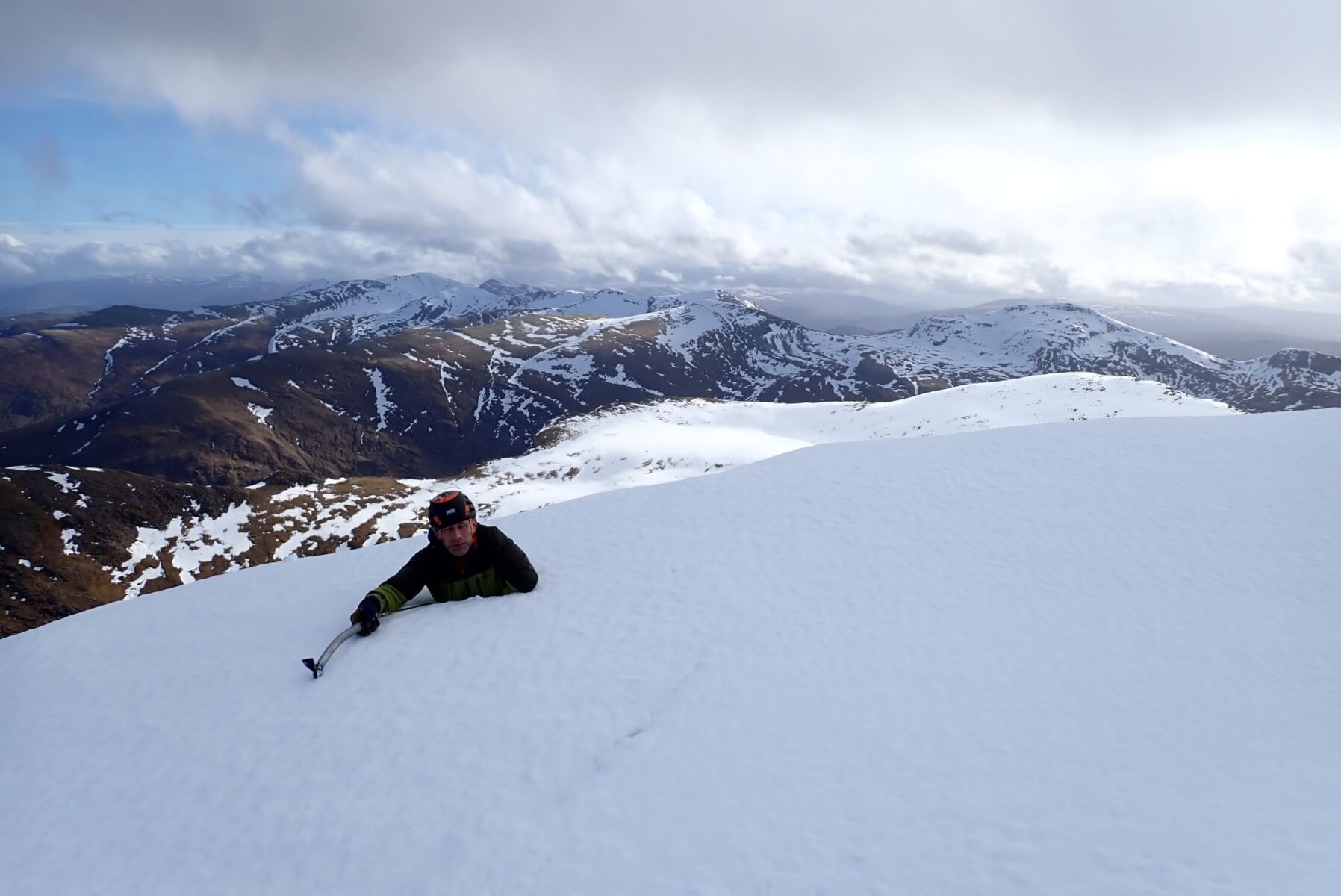
A cheery cornice tunneller emerging from his tunnel. Again a fair few years since I have seen or heard of anyone tunnelling through a cornice in Scotland. Some substantial cornices currently remain, but given the refreeze these tend to be relatively solid at the moment.
We recently (27th of Feb) had a question on the blog. The essence of the question was stated in the first line; “When building big money booters and the snow would be “rotten” or too slushy to hold structure for some reason throwing road salt on the jump would cause it to ice up. Why is that?”.
Now while I am happy to admit the building of big money booters are well outside my area of knowledge, I can explain what is going on with the snow. A wet snowpack will be a mix of ice, water and air and will be at zero degrees Celsius. Salt lowers melting point of ice meaning that adding salt to a wet snowpack will do two things; it will increase the rate of melting but will also decrease the temperature of the ice/water/salt mix to whatever the melting point of that mixture is. Essentially the temperature of the system drops because you are forcing some of ice to melt. The low temperature of this mix will cool the snow in the vicinity causing it to freeze and turn icy. The liquid brine will slowly drain away leaving a cold hard icy snow surface.
It takes a lot of energy to melt ice (as anyone who has had to melt snow for drinking water will know). Therefore, a small amount of extra melting of the snowpack will result in a substantial cooling. This means that while the effect of the cooling on the snowpack surface properties are obvious, the small increased melt rate may well be less obvious. This process is not weather dependant so will work on both cloudy and clear days.
Comments on this post
Got something to say? Leave a comment






Andy Cloquet
3rd March 2026 8:07 am
Very useful photos showing what the snow cover looks like. Thanks